Nordic Japan: Handcrafted Japanese Tableware

Nordic Japan: Handcrafted Japanese Tableware
Tucked behind an unmarked roller door in North Melbourne, Nordic Japan is intentionally understated — more working studio than retail space — and has quietly developed a reputation among Melbourne’s hospitality and design community for its direct connection to Japanese makers in Gifu prefecture.
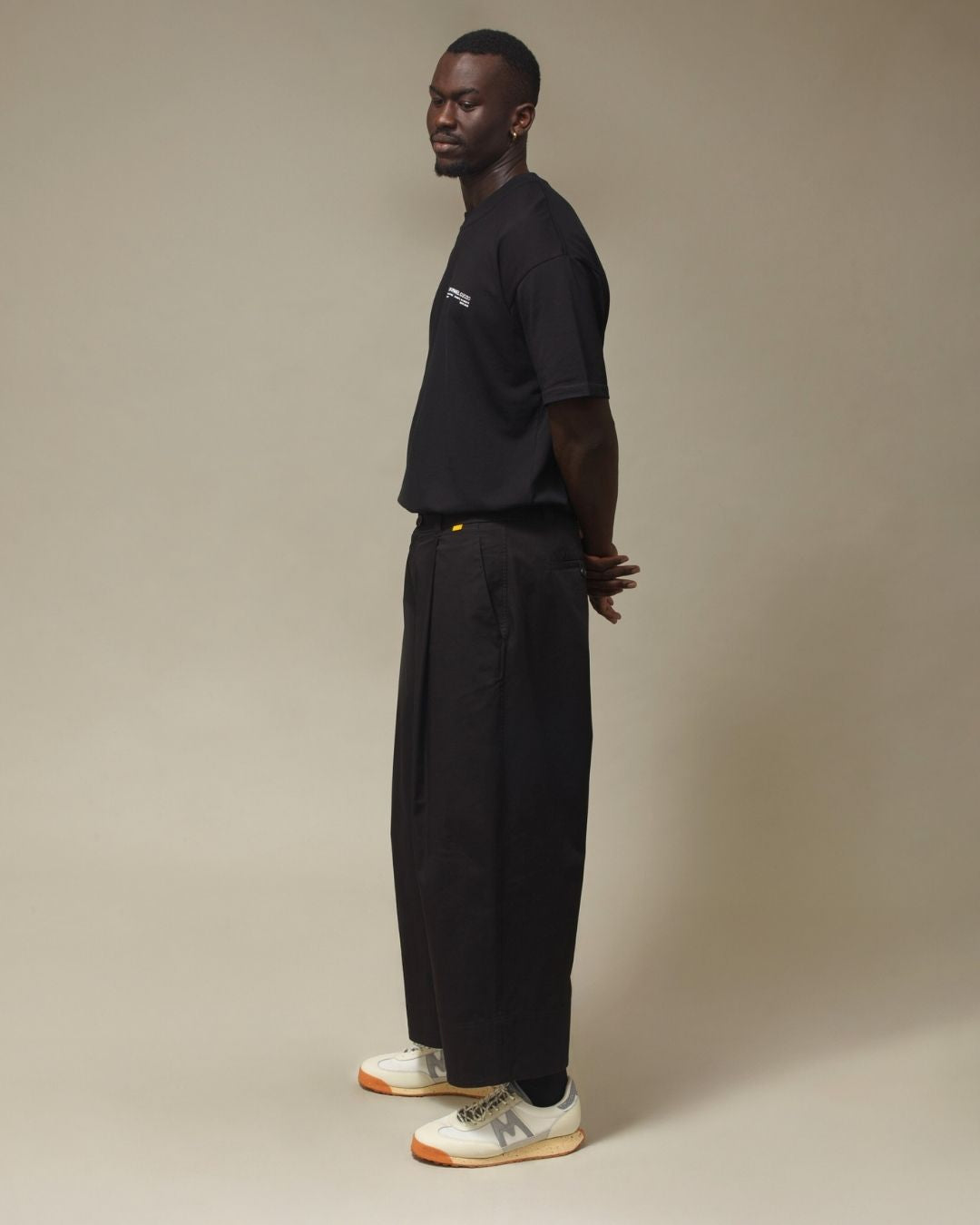
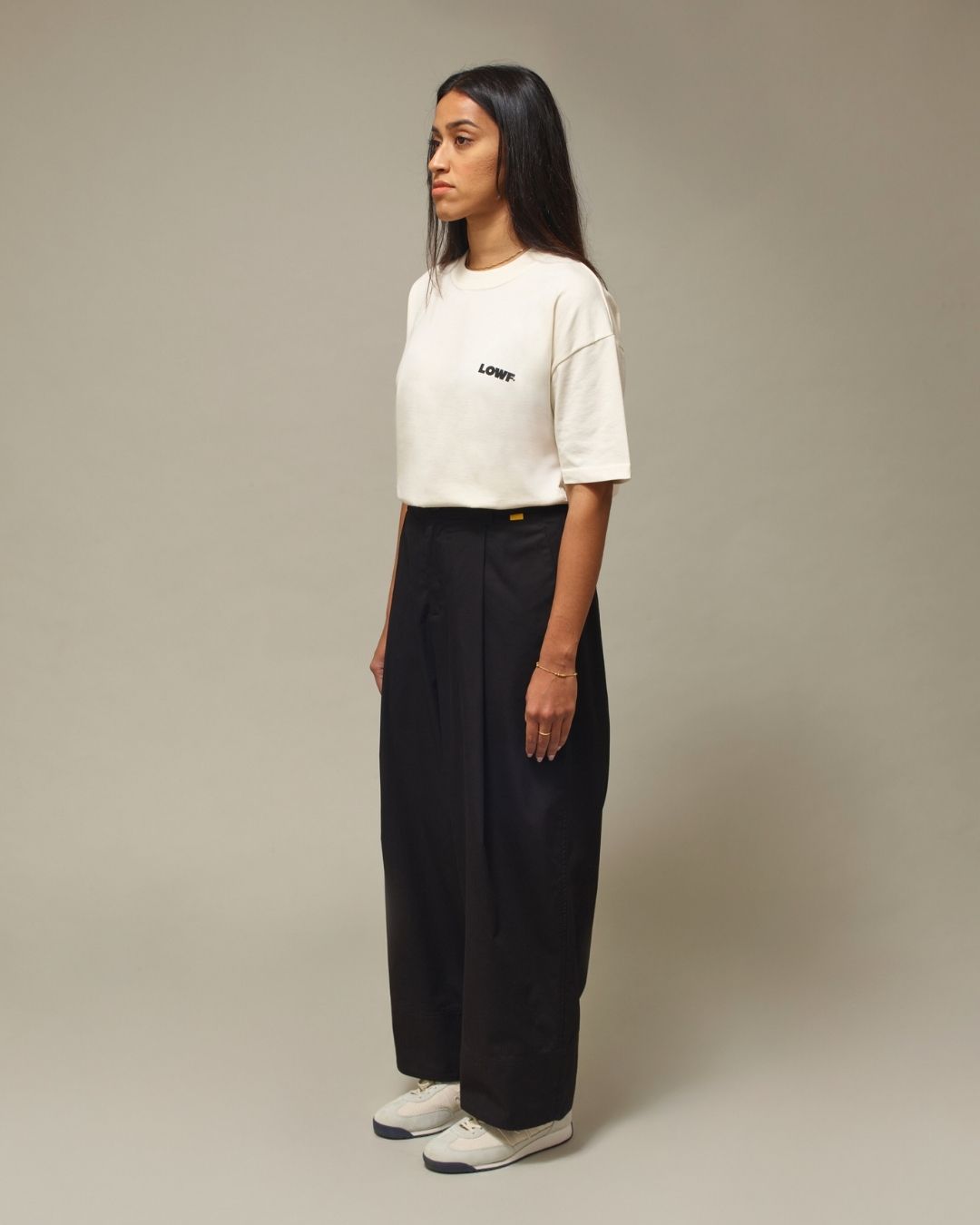
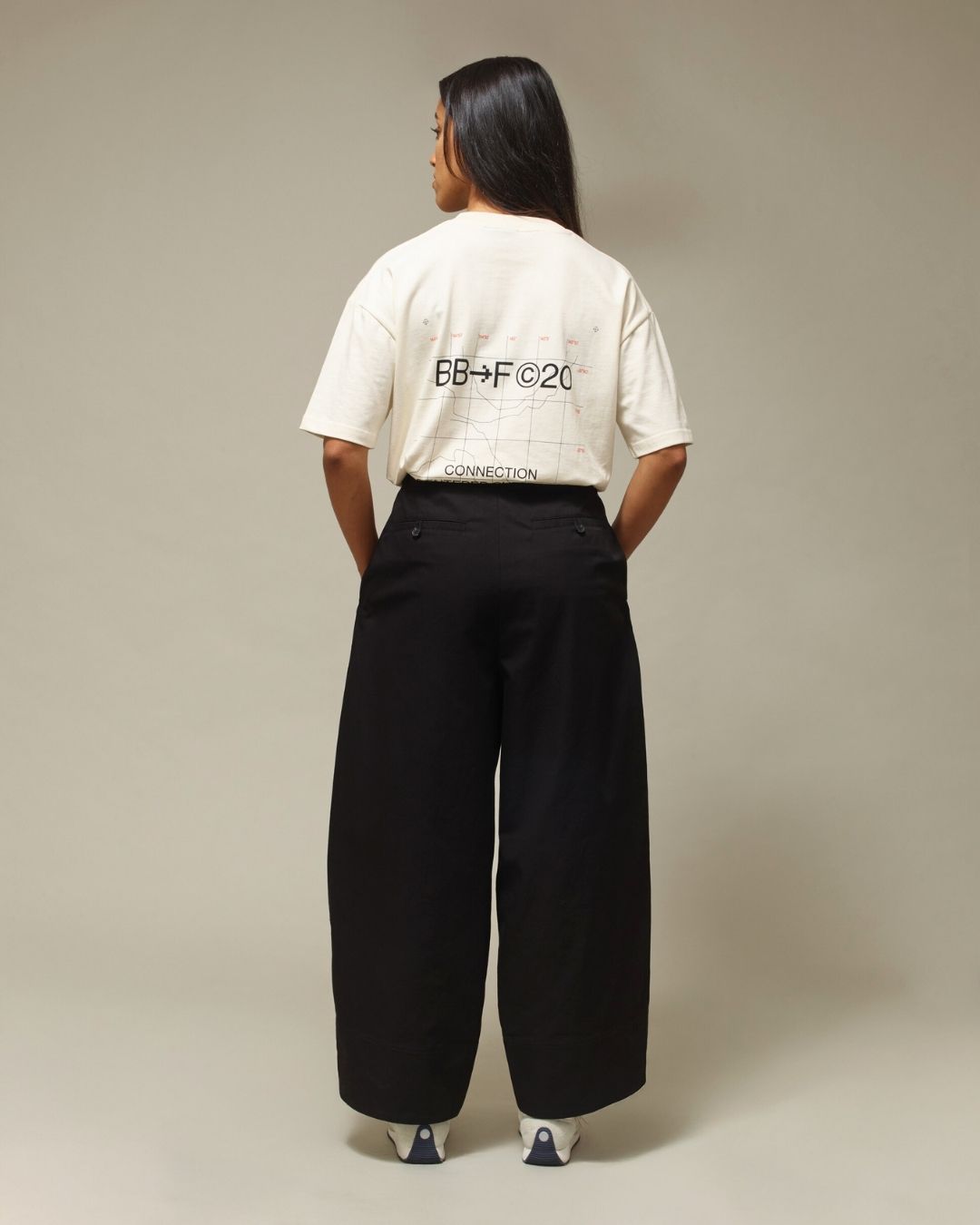
We sat down with Mark, Showroom Curator, to learn about the philosophy and the ethos at the core of the showroom which became the backdrop for LOWF's AW26 Rich Harvest.
LOWF: For people discovering Nordic Japan for the first time, how would you
describe the showroom and what do you have on display here?
MARK: Nordic Japan is a quiet, gallery-like space where Scandinavian minimalism meets Japanese craftsmanship.
We curate handcrafted tableware from Gifu Prefecture, rooted in tradition, designed for modern dining, with textures and tones that frame food with restraint.
More than a showroom, it’s a space to slow down and experience how form, material, food, and creative minds come together.
LOWF: The space feels very intentional. What kind of environment did you want to create?
MARK: We wanted to create a space that feels calm, intentional, and almost meditative.
A place to slow down, where light, texture, and material can be appreciated without distraction. Designed more like a gallery, each piece is given room to breathe.
Ultimately, it’s about connection, understanding how these objects live within a dining experience.
LOWF: Can you tell us more about the tableware Nordic Japan showcases and where it’s sourced from?
MARK: Our tableware is sourced from family-run kilns in Gifu Prefecture, Japan by Kurieto Tableware and many of them have been operating for generations.
We work closely with these makers, where craftsmanship is passed down through families, and each piece carries that history. There’s a deep respect for material, process, and time, you can see it in the textures, the weight, the way each glaze reacts in the kiln.
What we bring into Nordic Japan is a curated selection of these works — pieces that honour tradition, but are designed for contemporary dining. It’s about preserving that heritage, while allowing it to evolve in modern spaces around the world.
 |
 |
We wanted to create a space that feels calm, intentional, and almost meditative. A place to slow down, where light, texture, and material can be appreciated without distraction. Designed more like a gallery, each piece is given room to breathe.
LOWF: When someone holds one of these pieces, what would they notice about the craftsmanship?
MARK: The texture. You can feel the surface, the slight variations, the way the glaze settles and shifts. No two pieces are exactly the same.
There’s also a quiet precision in the form, the curve of a bowl, the edge of a plate, everything is intentional.
It’s subtle, but you feel the hand behind it.
LOWF: As a showroom, you’re curating rather than just simply stocking products. What tips or advice would you give someone who is interested in exploring curation rather than mass consumption?
MARK: Curation is about slowing down and choosing with intention, not just what looks good, but what feels right, how it’s made, and how it will live over time. It shifts the question from “how many” to “why this.”
Start with fewer, better pieces. Follow what you’re naturally drawn to, materials, textures, tones, rather than trends.
Over time, this creates a deeper connection. Objects carry meaning, not just function, and your space becomes more personal, more considered, shaped by quiet, purposeful choices.
 |
 |
I remember one of our makers once said that an object is only completed through use. It is in the hands of the customer, through daily rituals, that the design comes closer to being whole.
LOWF: A lot of Nordic Japan’s clients are chefs. How do chefs approach choosing tableware when they come into the showroom?
MARK: Chefs approach it very differently, it's less about decoration, more about function and storytelling.
They often start with the food. The colour, texture, and composition of a dish, then look for pieces that will elevate that. The tableware becomes a frame, not the focus.
They’ll pick things up, feel the weight, consider the balance, how it sits in the hand, how it moves from kitchen to table. Practicality matters just as much as aesthetics.
There’s also a strong sense of cohesion. They’re not choosing one piece, but building a language across the table, how different plates and bowls speak to each other.
In the end, it’s a very intentional process. Every piece is chosen to enhance the dining experience, not just visually, but in how it feels for both the chef and the guest.
LOWF: Do chefs choose ceramics based on seasonal produce? Why is that philosophy important?
MARK: Chefs often choose ceramics with the seasons in mind. Lighter tones and softer textures for spring and summer, deeper earthy glazes for autumn and winter. The tableware evolves with the ingredients.
This creates harmony. The plate supports the food, enhances it, and reflects the mood of the season without competing.
It keeps the dining experience evolving. As menus change, so do the vessels, offering something new yet considered.
At its core, it is about respect for the produce, the season, and the story being told.
LOWF: In a world that favours mass production, why do handcrafted objects like these matter more than ever?
MARK: They carry something mass production cannot. A sense of presence.
With handcrafted pieces, you feel the human touch in the subtle variations, the texture, and the way the glaze settles. They remind you that someone made them.
Over time, they develop character and become part of your daily rituals, rather than something disposable.
In a fast world, they invite you to slow down, to notice, and to appreciate. That is why they still matter. They bring meaning back into the everyday.
I remember one of our makers once said that an object is only completed through use. It is in the hands of the customer, through daily rituals, that the design comes closer to being whole.